.svg)


EN
EN
Facturen versturen is één ding. Slim ondernemen is iets anders. Hier lees je wat er leeft, beweegt en écht werkt in de financiële wereld - zodat je beter en sneller kunt schakelen.

Voor een CFO begint cashflowmanagement niet bij debiteuren of betalingstermijnen - het begint bij de order. Toch is orderverwerking zelden een prioriteit op de finance-agenda. Dat is een dure vergissing.
De opmars van e-facturatie tussen ondernemingen verhoogt de efficiëntie van financiële processen aanzienlijk. In veel organisaties worden inkomende facturen vandaag automatisch via Peppol doorgestuurd naar de boekhoudsoftware. Hoewel dit operationele voordelen biedt, creëert het tegelijk nieuwe risico’s die vanuit financieel management niet mogen worden onderschat.
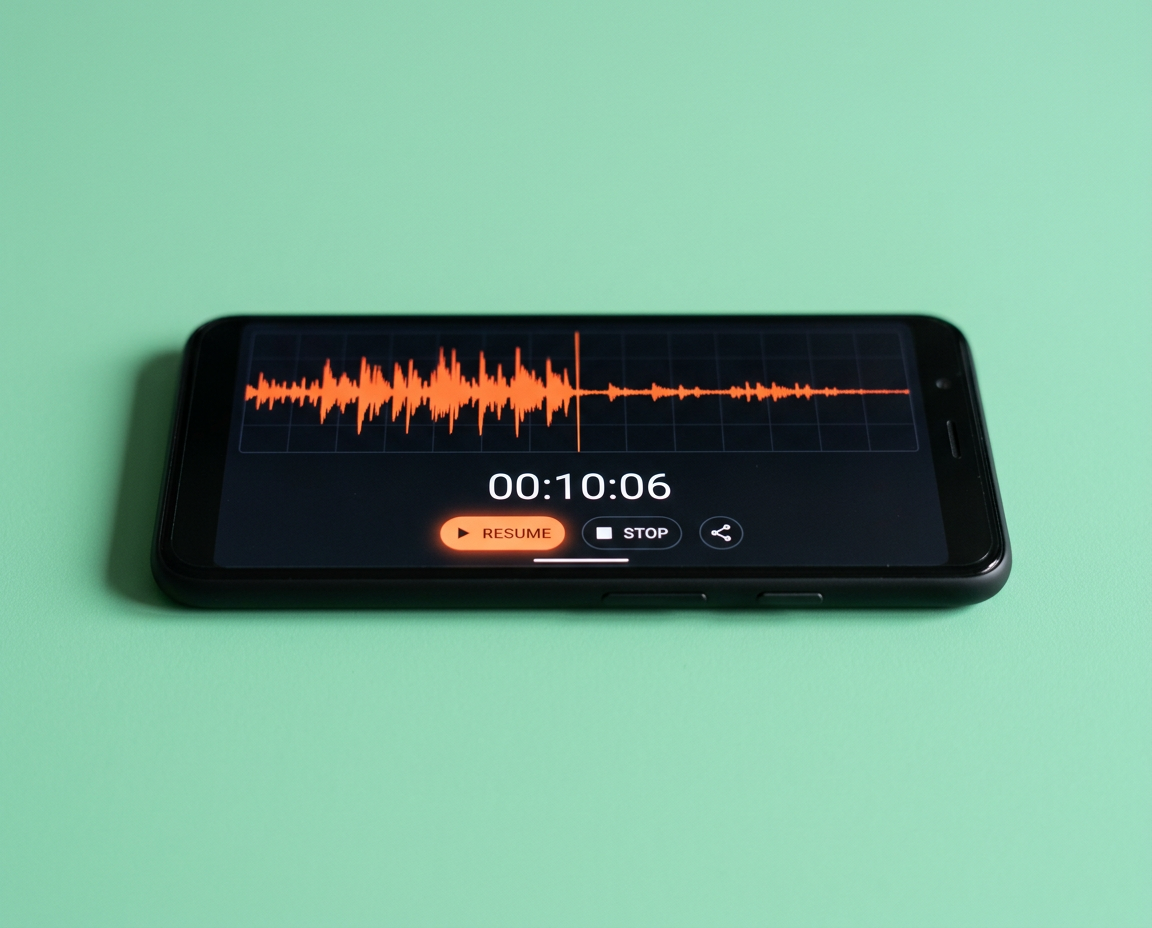
In commerciële geschillen komt het steeds vaker voor dat een klant of leverancier een gesprek opneemt zonder dit te melden, om de opname later als bewijs te gebruiken. Voor uw onderneming is de kernvraag niet alleen of dit mag, maar welk risico dit inhoudt.

Als financieel manager wilt u uw risico’s bij wanbetaling maximaal beperken. Eén krachtig juridisch instrument daarvoor is het eigendomsvoorbehoud. Hiermee behoudt u de eigendom van geleverde goederen totdat de klant volledig heeft betaald. Dit principe heeft belangrijke implicaties bij niet-betaling.
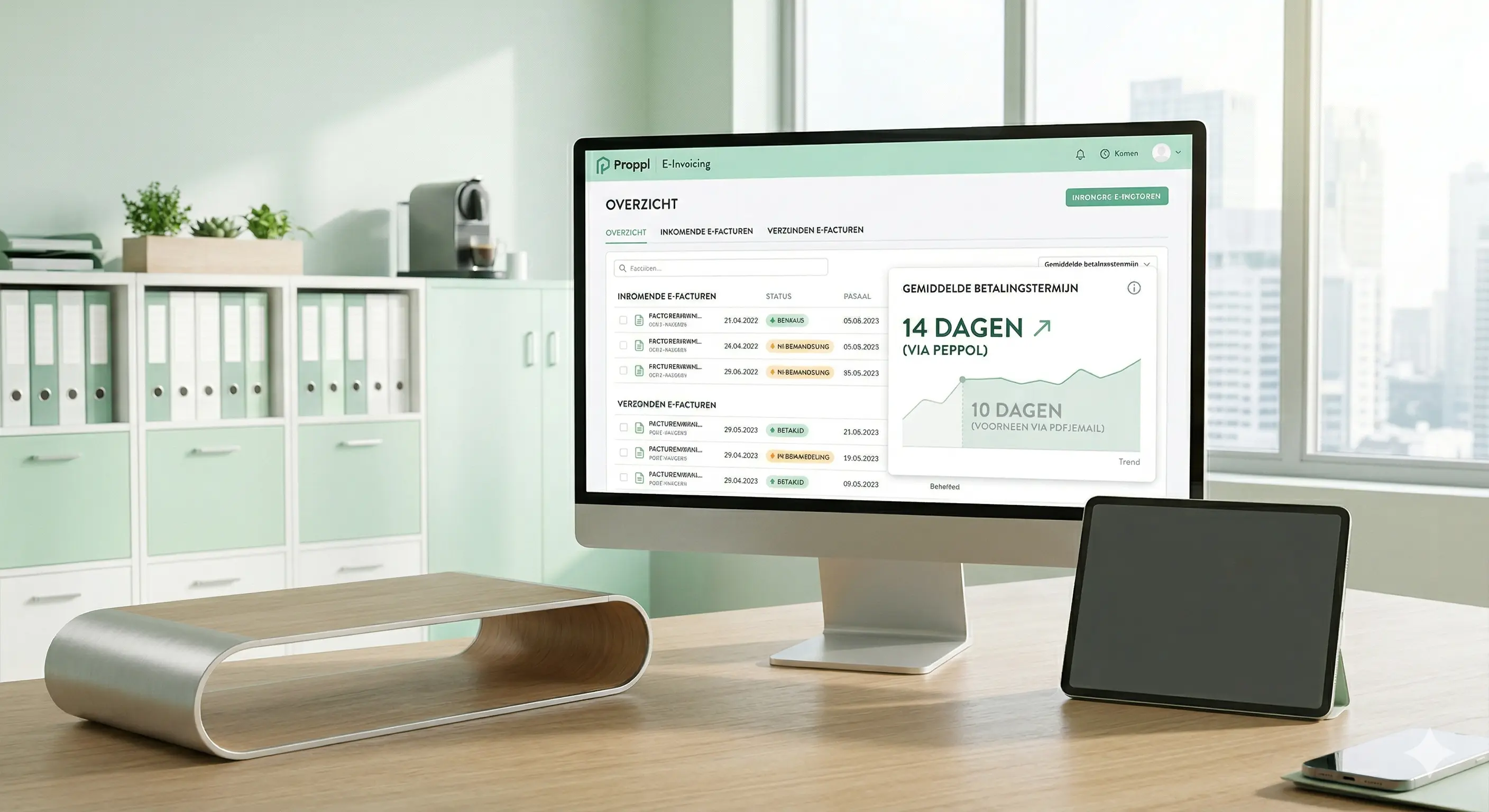
Invoices to other companies may no longer be sent in paper form or as a PDF by e-mail. So they no longer end up in the mailbox. As a result, e-invoices are remarkably often paid late. The period is up to 14 days, compared to 10 days by email.
Every company, no matter how small, is now required to invoice other companies via the Peppol network. Electronic invoicing has been mandatory in Belgium since 1 January for all transactions between companies. This administration must go through the Peppol network, a secure network for exchanging electronic documents. But you must avoid that invoices' disappear 'in a digital mailbox. That's where things are difficult today.

Unpaid foreign invoices have a direct impact on your cash flow, working capital and credit risk. Fast and cost-efficient recovery is therefore essential. Fortunately, there are procedures within Europe that allow you to obtain an enforceable title without a classic, time-consuming lawsuit.
Below you will find the practical step-by-step plan and the right choices for each situation.

Als ondernemer is het essentieel om aandacht te besteden aan ontvangen facturen. Wordt een factuur niet tijdig betwist, dan wordt ze vermoed aanvaard te zijn (art. 8.11 BW). In de praktijk betekent dit dat een laattijdig protest zelden wordt aanvaard en de betaling doorgaans afdwingbaar blijft. Toch zijn er uitzonderingen en nuancepunten die u als financieel professional moet kennen.

You will receive an invoice from a supplier for a delivery four years ago. Isn't that a bit long ago, do you still have to pay for it? What exactly does that work and what did the judge think of it in the end?

No news, good news!
The law states that any undisputed invoice can be considered an accepted invoice and must therefore be paid by the customer. At least if you invoice a company, because different principles apply to invoices to private individuals. However, traders must protest the invoice in question within a reasonable period of time if they plan not to pay it.
Exactly what that reasonable period entails is not specified, but in practice, a period of approximately 2 weeks after receipt of the invoice is considered fair for timely protest (slightly longer for complex invoices).
The dispute can also take place in various ways, for example by registered mail or by e-mail. In any case, it's not a bad thing to mention in your Terms and Conditions how and when customers can protest invoices.
So far the formalities, but what if your customer disputes your invoice?

.svg)
Nearly fell off your chair scrolling through our website and missed the demo buttons? No worries. Send us your question using the form and we’ll get back to you as soon as possible.

.svg)
.svg)