.svg)


EN
EN
Unpaid foreign invoices have a direct impact on your cash flow, working capital and credit risk. Fast and cost-efficient recovery is therefore essential. Fortunately, there are procedures within Europe that allow you to obtain an enforceable title without a classic, time-consuming lawsuit.
Below you will find the practical step-by-step plan and the right choices for each situation.
.png)
1. Belgian debtor: accelerated IOS procedure
If a Belgian customer does not pay an undisputed invoice, you can use the IOS (Collection of Uncontested Debt) procedure.
What does this mean in concrete terms?
CFO impact
But: this procedure only applies to Belgian companies.
2. Foreign debtor (EU): European order for payment
For customers based in another EU member state (except Denmark), there is a similar tool: the European order for payment. This is often the most efficient legal route for cross-border B2B and B2C claims.
When is this appropriate?
Use this procedure when:
✔ the debt is fixed
✔ the invoice is not disputed
✔ the debtor is located in the EU
In the event of a dispute, this route loses its usefulness.
3. How does the procedure work?
Step 1 - Submit a request
You submit Form A to the competent court (often debtor's place of residence).
You must demonstrate:
Step 2 — Court Review
Within ±30 days: approved → European order for payment is issued
Step 3 — Debtor response time (30 days)
There are 3 scenarios:
1. Payment
2. No response
3. Resistance
4. What can you claim?
In addition to claiming the principal, you can also:
This significantly increases your recovery rate.
5. Cost-benefit analysis
The European order for payment:
Benefits
Disadvantages
For CFOs, this is usually a low-cost first step before tougher legal actions.
6. Practical CFO approach
In practice, the following order pays off:
This is how you limit:
Key message for finance
Uncontested EU invoice = quasi-administrative collection possible. So don't wait too long: the sooner you use the payment order, the greater the chance of rapid cash recovery and the smaller your working capital loss.
.svg)
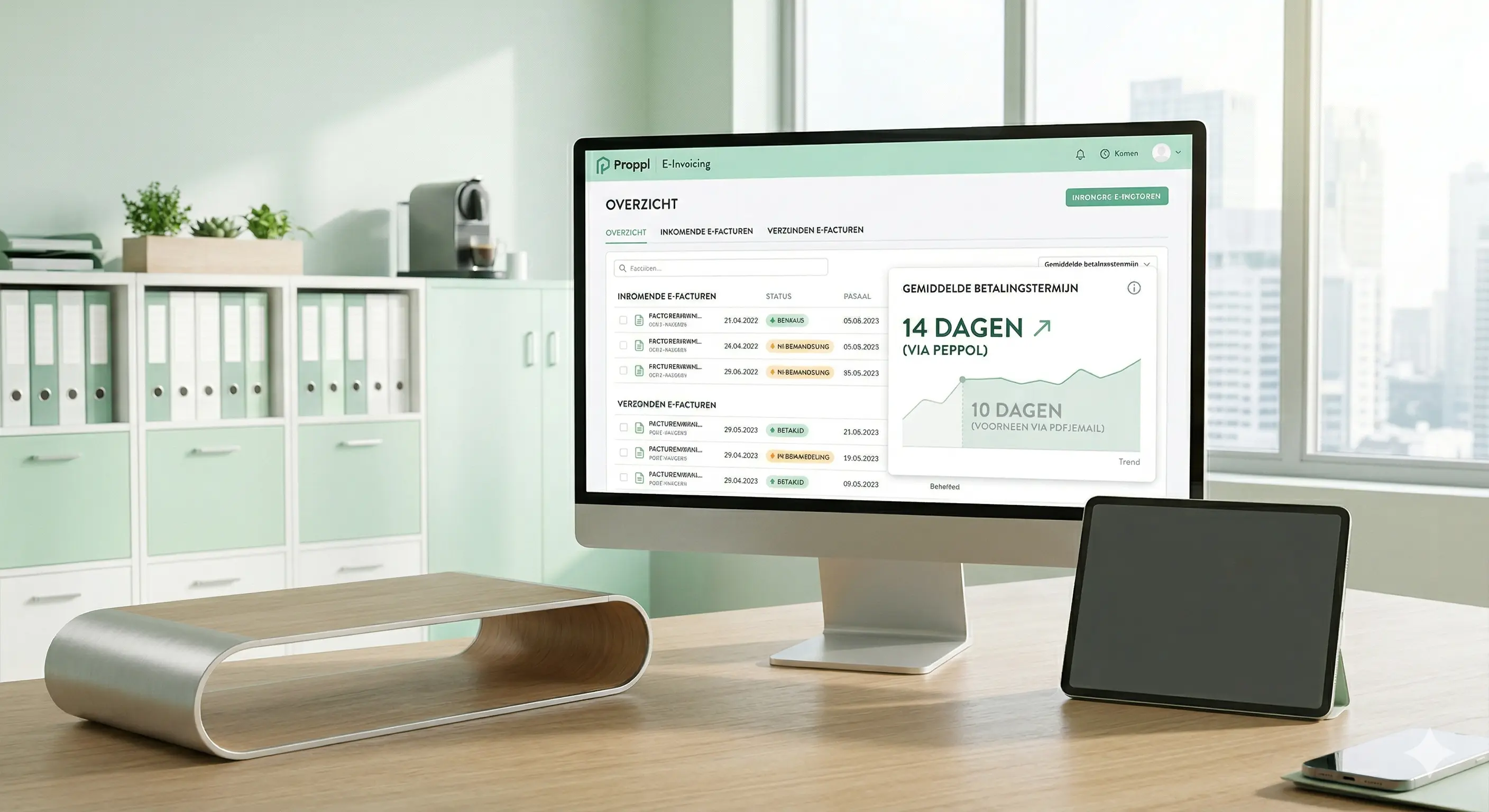
Invoices to other companies may no longer be sent in paper form or as a PDF by e-mail. So they no longer end up in the mailbox. As a result, e-invoices are remarkably often paid late. The period is up to 14 days, compared to 10 days by email.
Every company, no matter how small, is now required to invoice other companies via the Peppol network. Electronic invoicing has been mandatory in Belgium since 1 January for all transactions between companies. This administration must go through the Peppol network, a secure network for exchanging electronic documents. But you must avoid that invoices' disappear 'in a digital mailbox. That's where things are difficult today.
30/3/2026
In commerciële geschillen komt het steeds vaker voor dat een klant of leverancier een gesprek opneemt zonder dit te melden, om de opname later als bewijs te gebruiken. Voor uw onderneming is de kernvraag niet alleen of dit mag, maar welk risico dit inhoudt.
21/5/2026
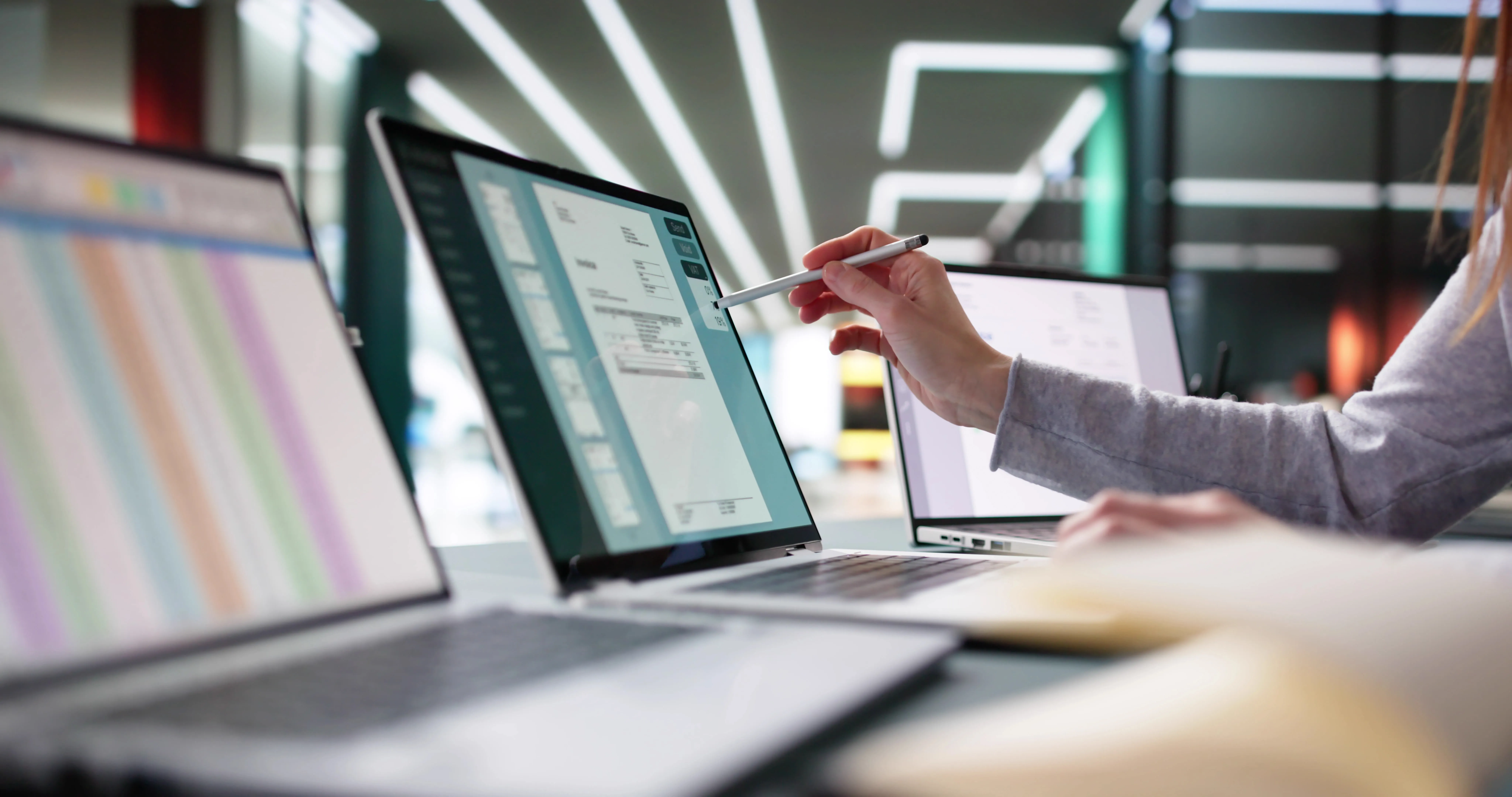
Voor een CFO begint cashflowmanagement niet bij debiteuren of betalingstermijnen - het begint bij de order. Toch is orderverwerking zelden een prioriteit op de finance-agenda. Dat is een dure vergissing.
21/5/2026
Nearly fell off your chair scrolling through our website and missed the demo buttons? No worries. Send us your question using the form and we’ll get back to you as soon as possible.

.svg)
.svg)
.svg)